Research Evidence
What has been studied?
Research can examine reported wellbeing, meaning, identity, social connection, authenticity, experience and behaviour within specific populations and methods.
Thrill My Guide Travel Intelligence
What evidence, tradition and traveller experience can responsibly say.
A pilgrimage can be sacred, personal, communal and deeply meaningful without every part of that meaning needing a scientific explanation. The responsible task is to distinguish what research studies, what tradition teaches, what travellers experience and what remains a matter of faith.
Sacred tradition does not need to pretend to be a clinical trial to be meaningful. Research does not need to prove faith in order to study pilgrimage, ritual, identity, meaning or traveller experience.
Sacred tradition
Lived experience
Personal belief
Four Different Lenses
Pilgrimage sits at the meeting point of religion, culture, place, community and personal experience. A responsible travel platform should not collapse those into one evidence category.
Research Evidence
What has been studied?
Research can examine reported wellbeing, meaning, identity, social connection, authenticity, experience and behaviour within specific populations and methods.
Sacred Tradition
What does the tradition hold?
Scripture, ritual practice, temple tradition and inherited religious understanding can guide sacred meaning without being presented as scientific validation.
Lived Experience
What did a traveller experience?
A traveller may describe peace, gratitude, devotion, perspective or emotional intensity. That experience is real to the person without becoming a universal prediction.
Personal Belief
What does the traveller believe?
Faith may shape why a person travels, how they understand a ritual and what the pilgrimage means to them.
The Boundary That Matters
Research can study pilgrimage. Tradition can carry sacred meaning. Experience can be deeply personal. Belief can remain belief. None should be mislabelled to make the journey sound more powerful than the evidence allows.
Meaning Before Measurement
One traveller may come from devotion. Another may travel with parents. Someone may be returning after many years. Another may want quiet reflection, gratitude, continuity with family tradition or simply to be present in a sacred place.
The primary purpose may be darshan, worship or participation in a sacred practice.
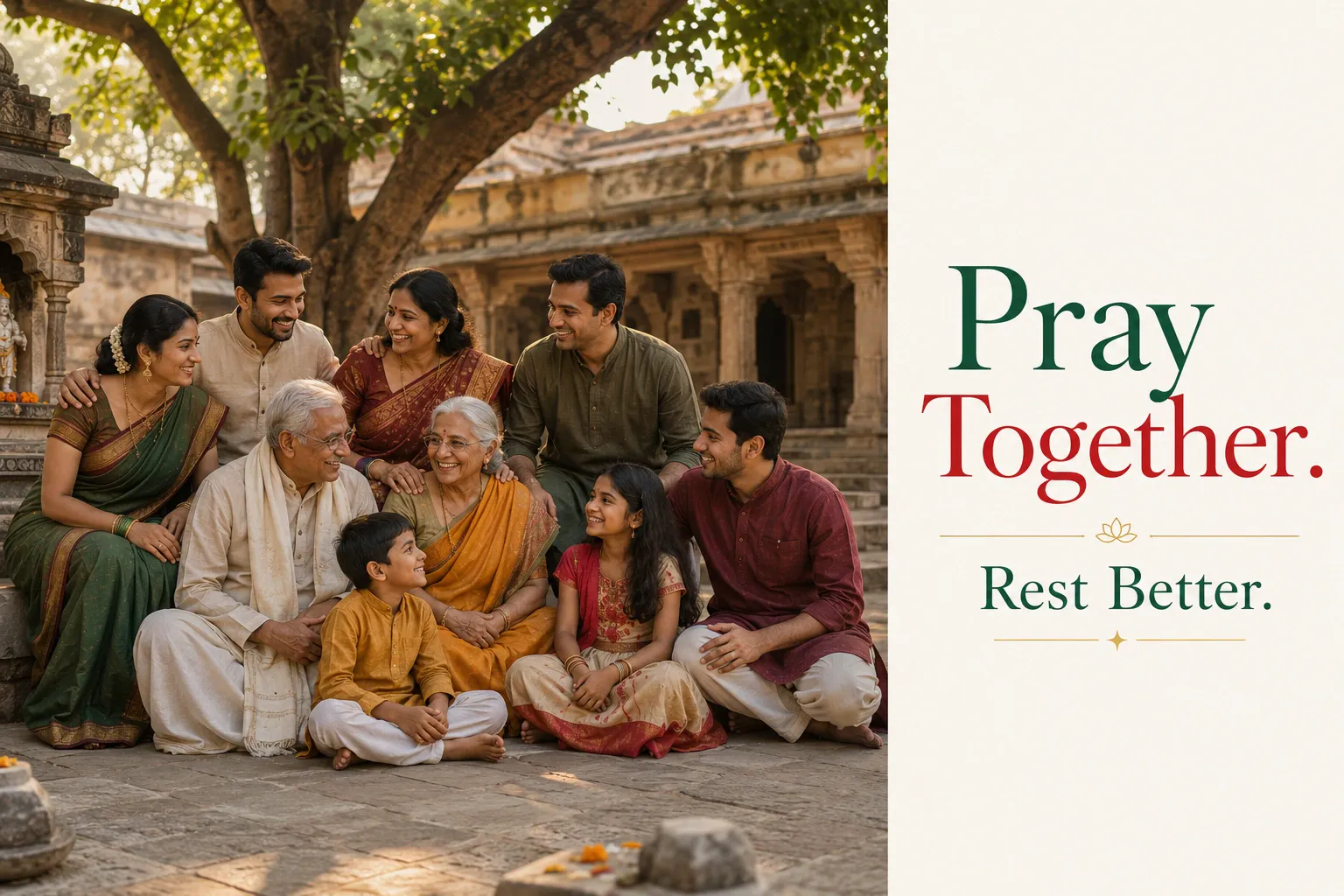
A journey may connect parents, children or generations through a place important to the family.
Some travellers may value the pause from ordinary routine and the space to think, pray or reflect.
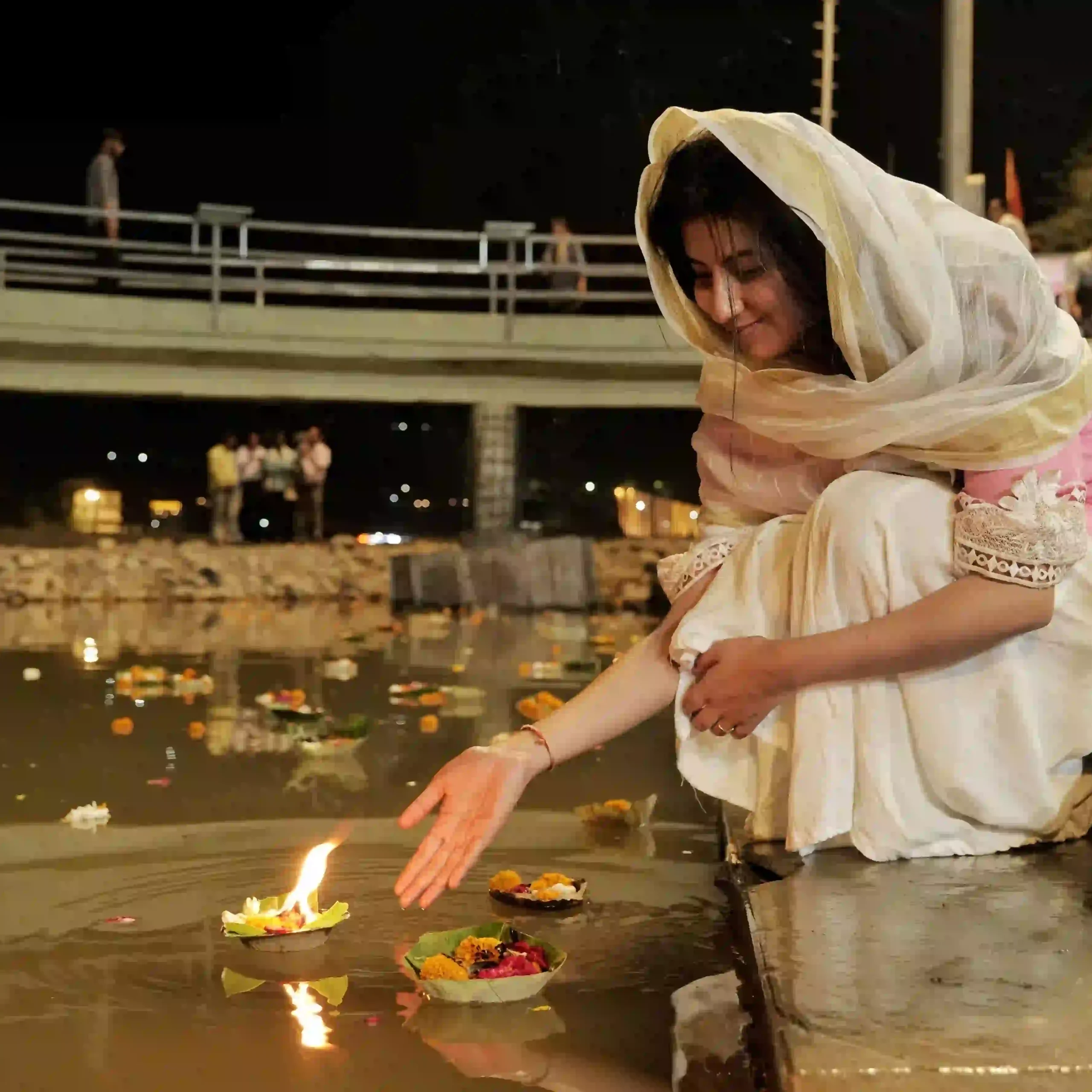
A pilgrimage may be understood by the traveller as thanksgiving, remembrance or acknowledgement.
Shared ritual, collective movement and being among other pilgrims may become part of the experience.
Two people can complete the same route and still understand the journey differently.
before adding more temples, activities or road movement, understand what the pilgrimage is meant to make room for in this traveller’s journey.
Ritual And Sequence
A sacred journey is not always a list of attractions. The order of darshan, prayer, ritual, rest and movement may matter because of tradition, temple practice, personal devotion or the traveller’s own intention.
Good planning should understand that meaning before rearranging the day only for convenience.
Identify the ritual, darshan or sacred place that matters most before adding secondary stops.
Early ritual timing can affect sleep, meals, transport and how much should be planned afterwards.
Moving immediately to the next stop can reduce the space a traveller wanted around the sacred experience.
describing a ritual’s traditional significance is different from claiming that performing it will produce a guaranteed psychological, medical or spiritual result.
Meaningful Effort And Avoidable Friction
Pilgrimage may involve early rising, walking, waiting, fasting, crowds or physical effort. For some travellers, part of that effort is understood as meaningful. But poor coordination, unnecessary backtracking or preventable confusion does not become spiritually valuable simply because the journey is sacred.
May Be Meaningful
Effort connected to sacred intention
A traveller may willingly accept an early start, a walk or a period of waiting because the ritual or sacred experience matters enough to them.
Usually Avoidable
Friction created by poor planning
Repeated transfers, unclear reporting arrangements, missed meals, preventable backtracking and an overloaded itinerary may add strain without adding meaning.
Traveller Choice
Ask what effort the traveller accepts
The same effort may feel meaningful to one person and unnecessary to another. Travel design should not decide that on the traveller’s behalf.
Better Pilgrimage Design Question
Which effort belongs to the pilgrimage, and which effort has been added by the itinerary?
The Body Still Travels
A traveller may willingly accept physical effort for a meaningful ritual. Good planning still needs to understand the total load across the day, especially when children, senior parents or mobility needs are involved.
Very early sacred timing may require protecting the previous evening or reducing the load after the ritual.
Total walking, standing, queues and access between locations should be counted across the entire journey.
Ritual practice and individual religious observance may affect meal timing, while practical hydration and family needs still require planning.
A pause after a demanding sacred experience does not make the pilgrimage less sincere.
Comfort And Sincerity
A traveller does not become less sincere because they need a suitable hotel, a private vehicle, a slower pace or more recovery time. Nor does choosing physical difficulty automatically make a journey more meaningful.
The useful question is whether comfort supports the traveller’s ability to complete the journey in the way that matters to them.
Location can protect energy
Staying closer to the important sacred route may reduce repeated movement and preserve useful time.
Reduce movement where it adds nothing
Reliable transfers can remove avoidable coordination without changing the spiritual purpose of the journey.
Rest can support participation
A slower period may help a traveller preserve enough energy for the ritual or darshan that matters most.
Do not confuse discomfort with depth
The traveller, their tradition and the actual sacred purpose should determine what effort matters.
accessibility, comfort and devotion can coexist. A travel platform should not assign moral value to discomfort.
Community And Crowds
Pilgrimage often brings people into shared ritual, collective movement and sacred spaces with many other travellers. For some people, that sense of participation is part of the meaning. At the same time, crowd density, waiting, access and uncertainty can change the physical load of the day.
Shared participation can matter
Being among other pilgrims may contribute to a sense of collective participation, continuity or belonging for some travellers.
Waiting is part of the itinerary
Time spent standing, moving through controlled access or waiting for darshan should be counted when planning the rest of the day.
The same crowd feels different to different travellers
Children, senior parents and travellers with mobility needs may experience the same queue or walking route differently.
Respect meaning without ignoring operations
Sacred importance and crowd management belong in the same practical plan.
research on collective participation can help us understand aspects of mass sacred gatherings, but it does not mean every traveller will experience crowds as positive, meaningful or beneficial.
First Visit And Return Visit
A first time traveller may want orientation, major sacred places and clearer guidance. A repeat traveller may care more about one ritual, quieter time, a family tradition or returning to a place that already carries personal meaning.
First Journey
Orientation may matter more
The traveller may want help understanding sequence, major sacred places, practical movement and what deserves priority within limited time.
Return Journey
Depth may matter more than coverage
A repeat visit can reasonably focus on fewer places, one ritual or more unhurried time rather than repeating a standard sightseeing circuit.
Discovery Question
Why are you returning?
The answer may change the route more than the number of previous visits.
Applied Example: Ujjain
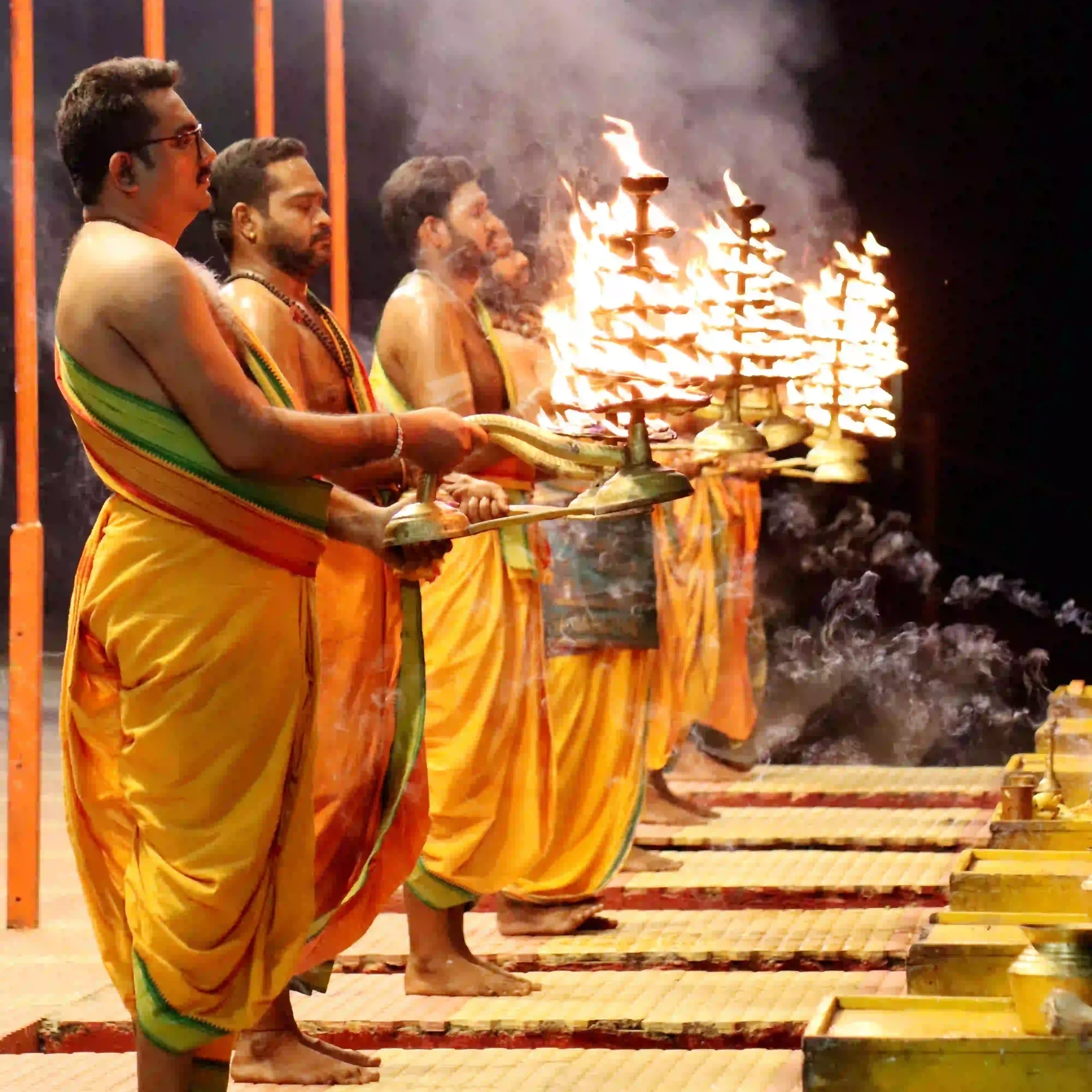
One Ujjain traveller may primarily want Mahakaleshwar darshan. Another may be coming specifically for Bhasma Aarti. A family may be travelling with parents. Someone else may want to include Omkareshwar as part of a wider Jyotirlinga journey.
Those are not small differences. They can change sleep, arrival timing, hotel logic, road movement, temple sequence and how much should be planned in one day.
Protect the main sacred reason for the journey before adding secondary temple stops or city activity.
When Bhasma Aarti matters, current access arrangements can affect reporting time, sleep, transport, clothing or entry requirements and how demanding the following hours should be.
Include it when its importance to the traveller justifies the additional road effort and the available time can support it without weakening the main Ujjain purpose.
Walking, waiting, meals, seating, washrooms, hotel location and recovery can become part of the sacred journey design rather than afterthoughts.
access, registration, reporting time, permitted entry arrangements and other operational requirements can change. They should be checked against current official guidance for the traveller’s actual date rather than copied from an old itinerary.
Pilgrimage Travel Discovery
A pilgrimage recommendation becomes more useful when the questions can actually change sequence, pace, comfort or what is included.
Why this pilgrimage?
Devotion, family tradition, gratitude, a specific ritual, reflection or another personally stated reason.
What cannot be missed?
The main darshan, ritual, temple or religious practice should shape the rest of the plan.
Who is travelling?
Couple, family, children, senior parents or solo traveller can change the practical journey.
First visit or return?
A repeat traveller may value depth, ritual or quiet time more than broad destination coverage.
What physical load is acceptable?
Walking, waiting, early timing, road movement and recovery should reflect the actual travellers.
What should the journey make room for?
The answer can guide whether the plan needs more ritual, more family time, more quiet or simply less unnecessary movement.
The purpose of Travel Discovery is not to diagnose a traveller’s spirituality. It is to understand enough of their stated purpose and practical needs to design the journey more responsibly.
Research And Standards Trail
Thrill My Guide separates external research, operational guidance, sacred tradition, traveller experience and TMG’s own synthesis so that different kinds of claims do not get mixed together.
Collective participation and wellbeing
Research has examined collective participation in a large Indian religious gathering and changes in reported wellbeing within the studied population.
Crowds in India’s sacred spaces
KPMG has examined crowd and flow considerations around India’s sacred spaces from an operational perspective.
Before The Destination
Thrill My Guide’s synthesis on what travel may support and where responsible outcome claims should stop.
Travel Standards
How Thrill My Guide distinguishes research evidence, tradition, experience, belief and claims that should remain bounded.
a peer reviewed study does not scientifically validate a sacred belief, and a sacred tradition does not need a scientific paper to remain meaningful within its religious context. TMG uses each source only for the kind of claim it can reasonably support.
Responsible Pilgrimage Claims
Travel design can protect sacred priorities, reduce unnecessary friction and make room for ritual, family, reflection or devotion. It cannot promise what a traveller will feel, believe or become.
Responsible
Explain traditional significance
A sacred practice can be described within its religious and cultural tradition without presenting the belief as scientific proof.
Responsible
Protect meaningful conditions
A journey can protect time, sequence, access, rest and space around the sacred experiences a traveller says matter.
Not Responsible
Promise spiritual transformation
A pilgrimage should not be sold as guaranteed enlightenment, awakening, spiritual change or another fixed internal outcome.
Not Responsible
Convert faith into a health claim
Sacred practice, prayer or darshan should not be presented as guaranteed treatment, healing or medical improvement.
TMG Pilgrimage Principle
Respect the faith. Protect the journey. Keep the claim inside what tradition, evidence and traveller experience can actually support.
Travel Intelligence Research Cluster
The Travel Intelligence cluster connects evidence, traveller context, family and couple needs, physical journey load and the provenance of travel experiences.
Why Travel Works
Recovery, connection, meaning and responsible limits on travel outcome claims.
Travel Discovery Methodology
How purpose, people, time, pace, comfort and constraints become journey criteria.
Travel Personalisation Research
How context can improve fit without becoming profiling or prediction.
Couple Travel Research
Shared novelty, time together, different preferences and couple journey fit.
Family Travel Research
Children, parents, senior travellers, family pace and usable family time.
Pilgrimage And Meaning Research
Faith, ritual, sacred travel, meaning, effort and responsible evidence boundaries.
Travel Pace And Fatigue
Sleep, walking, queues, transfers and the real physical load of a journey.
Creator Journey Research
How first hand experience can inform a journey without guaranteeing the next traveller’s outcome.
Questions About Sacred Travel
Yes. Religious tradition, personal belief and lived experience can carry meaning without being scientific claims. Research can study aspects of pilgrimage without needing to validate the underlying faith.
Research can examine areas such as traveller experience, collective participation, reported wellbeing, identity, meaning, behaviour and the practical conditions around sacred travel within specific populations and methods.
No. A traveller may personally experience peace, devotion, gratitude, perspective or another meaningful response, but a travel provider cannot responsibly guarantee a fixed spiritual or emotional outcome.
Not necessarily. Some effort may be meaningful within a traveller’s religious practice or personal intention, but avoidable discomfort, poor coordination or unnecessary exhaustion should not automatically be treated as spiritually valuable.
No general rule supports that conclusion. A suitable hotel, private transport, rest or accessibility support can help a traveller preserve energy for the sacred priorities that matter to them.
Not automatically. A first time traveller may value orientation and major sacred places, while a returning traveller may prefer one ritual, fewer stops or more unhurried time.
If Bhasma Aarti is a major priority, the journey should account for current access arrangements, reporting requirements, sleep, transport and the physical load of the following hours. Current official guidance should be checked for the traveller’s date.
No. Its importance to the traveller should be weighed against available time, road effort, family needs and whether adding it supports or weakens the main purpose of the pilgrimage.
Travel Discovery can use the traveller’s stated sacred priority, people travelling, first or repeat visit, available time, desired pace, comfort and practical constraints to create clearer journey criteria without diagnosing the traveller’s spirituality.