


01
The trip became a timetable.
Every hour had somewhere else to be.

You take leave. You make the plan. You reach there. You cover everything.
And somehow you come home needing another break.
Hold that thought. The destination can wait a minute.
Monday was work.
Friday was packing.
Saturday became a timetable.
Sunday became the race to finish what was left.
A destination can be beautiful and still be the wrong answer for that particular moment in your life.
Four quick choices.
Do not plan the answer.
Pick what feels naturally closest.
That small difference can change the pace, the place, the people, the plan and even what feels worth paying for.
Water, movement, friends, late conversations, a little unpredictability.
For them, slowing everything down could actually make the holiday feel wrong.


Fewer alarms.
Fewer transfers.
One long breakfast.
One conversation that was never going to happen between notifications and office calls.


Sand in your shoes.
Someone getting scared in the jeep and pretending they were not.
A sunset nobody had to manufacture for Instagram.
That can be the whole point.
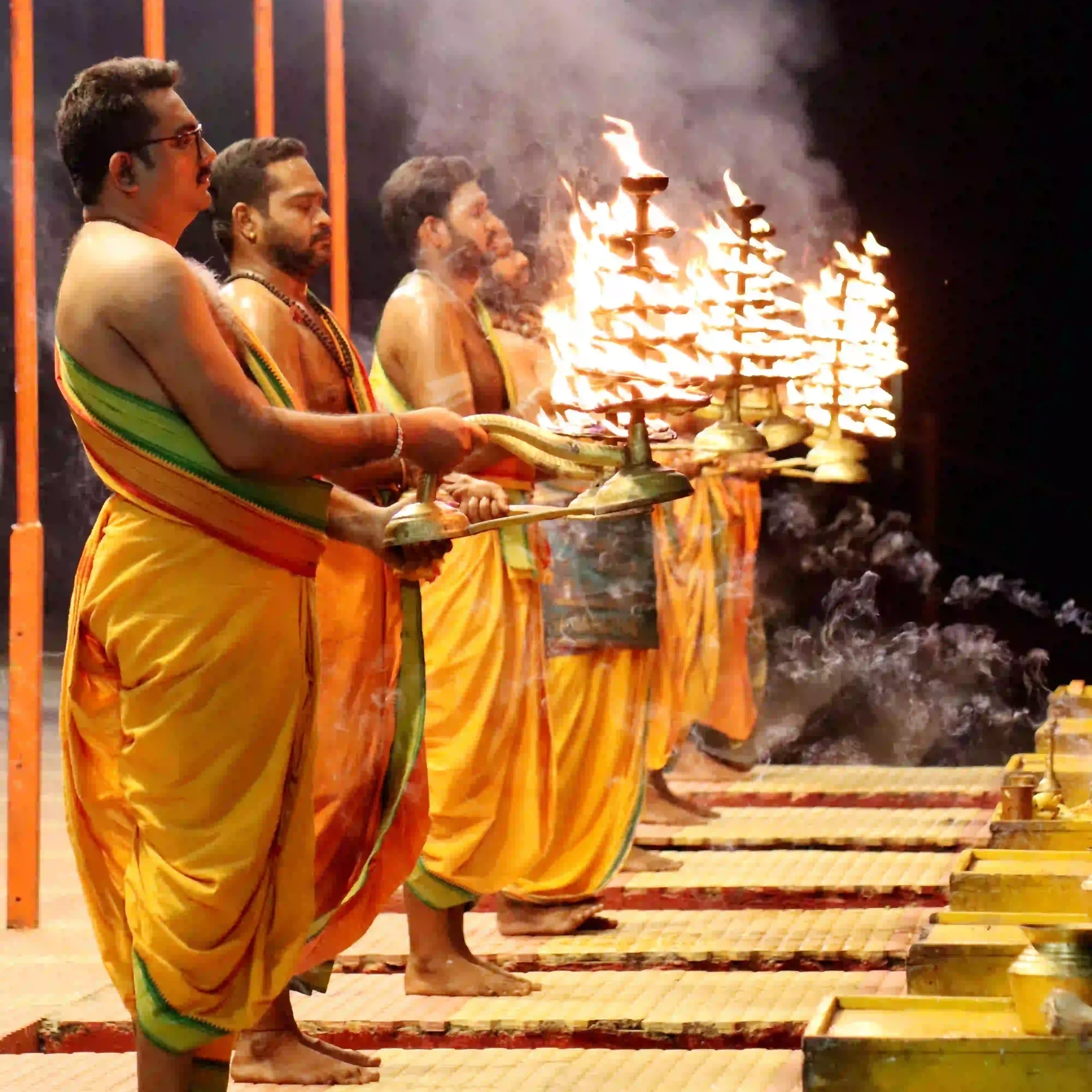
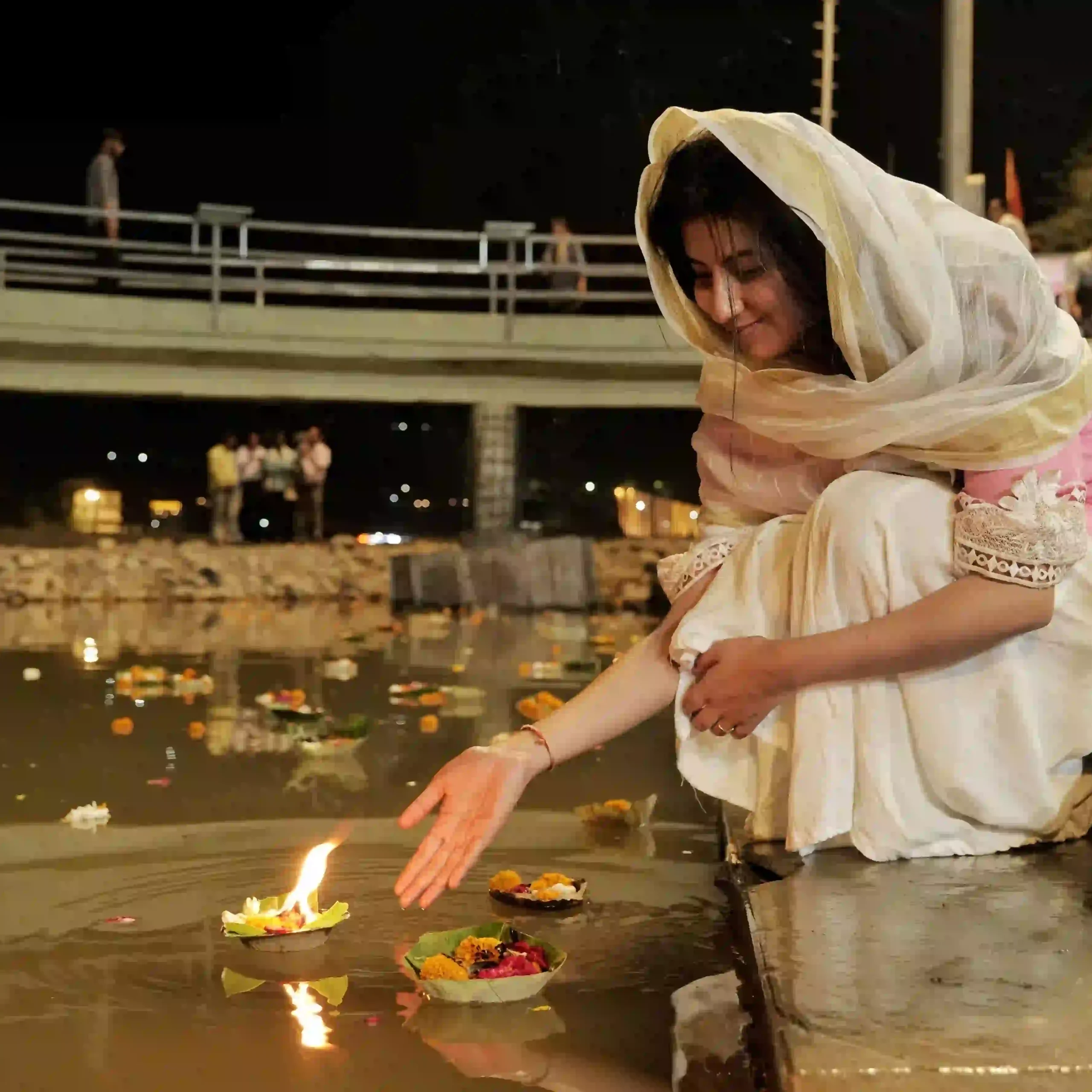
Some journeys are for faith.
Some are for gratitude.
Some are simply for hearing your own thoughts properly again.
If that is the reason, the plan should know it too.


The local clothes, a conversation, a ritual you understand instead of merely photograph, a street you remember because somebody there made you laugh.
Naturally, those moments are harder to put inside a checklist.
Which is probably why they stay with you longer.
No checkout race.
No attraction waiting.
No one asking what is next.
Sometimes space is not what is missing from the itinerary.
It is what the itinerary was supposed to protect.


A sensible hotel zone.
A transfer that arrives when it should.
Enough time to eat.
A pace your parents can actually enjoy.
When small frictions disappear, the journey can feel bigger without becoming busier.
You can compare hotel prices in seconds.
Some other costs are easier to notice only after the journey is over.
Sometimes the most useful thing you can add to a journey is the part where nothing has to happen.
Strange for an itinerary.
Quite normal for a human being.
Time to rest
Time to talk
Time to wander
Time to change the plan
Time to be there
Thrill My Guide is built around a simple idea:
before recommending where you should go, understand why you are travelling, who is going with you, what the journey needs to protect and what you would like to bring home from it.
You do not need a destination before you begin.
Start with the part only you can answer.
Thrill My Guide publishes its thinking on traveller first travel, journey outcomes and better travel decisions.
Read it, question it and decide whether the idea makes sense to you.
This one asked what your trip is trying to do.
The next story will move the question forward.
So if Thrill My Guide appears in your feed again, there may be another piece waiting.
You do not get extra marks for squeezing in one more monument, one more cafe or one more sunrise.
A good journey has done its job when it gives you what you actually needed from it.
It gives you a simple travel signal based on four reflective choices.
It is designed to help you think about the purpose of your next journey.
It is not a medical, psychological or diagnostic assessment.
Travel Discovery asks about the traveller, the people going with them, their time, pace, comfort, preferences and what they want the journey to give them.
That context can then support more relevant travel guidance.
Yes.
That is one of the reasons Travel Discovery exists.
You can begin with what you want from the journey and explore the destination after that.
No.
It is free to begin and there is no booking obligation.
Two people can want very different things from the same holiday.
Seeing those differences early can make decisions about pace, comfort and experiences easier before the journey begins.